Newsroom
Responsibility
Supplier Service
CN
EN
Walmart China has launched its annual food safety campaign, rolling out company-wide training, enhanced management systems, associate knowledge competitions, and activities to engage customer and member.
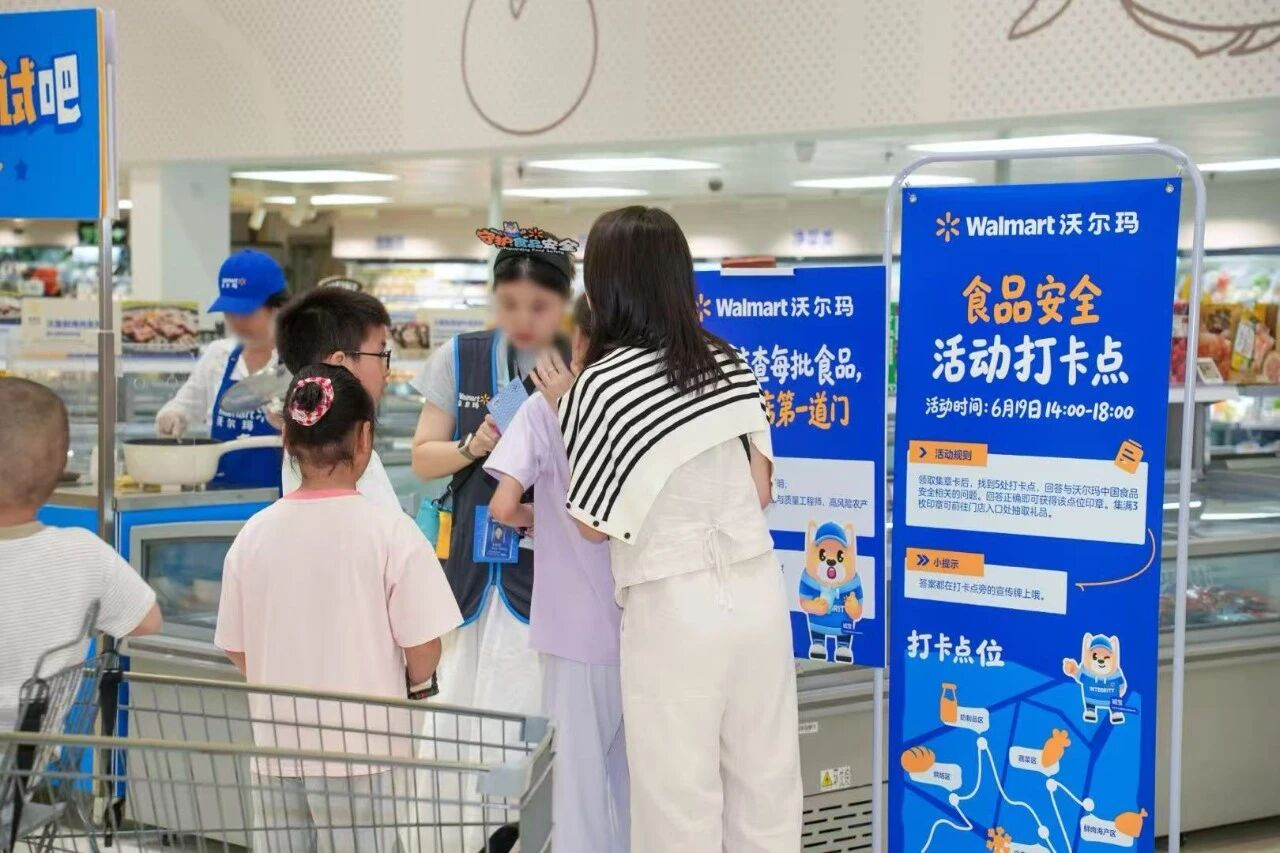
The program reflects Walmart China's ongoing commitment to end-to-end food safety oversight, integrating systematic governance with workforce capability-building to ensure food safety for every customer and member.
Tightening Supplier Access: Higher Standards for Entry
The first line of defense starts at the source. Both Walmart Store and Sam's Club operate under stringent supplier vetting protocols. Currently, over 95% of Walmart China's private-brand and direct-import food production facilities hold certifications recognized by GFSI (Global Food Safety Initiative) – a credential held by just over 14,000 factories in China as of the end of 2025. This is only the baseline for private brand suppliers. Partner manufacturers must also clear six additional mandatory review: national qualification checks, business screening, due diligence, social compliance audits, and dozens of on-site food safety inspections criteria.
Walmart Store's private label "Marketside" adheres to a "Simple Joy, Simple Freshness" philosophy, collaborating closely with top-tier suppliers to eliminate unnecessary additives. Products go through multiple rounds of testing for safety, quality, and nutrition before reaching shelves, delivering healthy, high-value offerings to customers.
At Sam's Club, supplier audit standards have seen a comprehensive upgrade. The previous 69-point checklist has been expanded to 159 criteria, with broader coverage, sharper focus and more detailed guidance. A supporting audit manual ensures uniform enforcement nationwide. Internationally accredited third-party certifiers are also brought in during the review process to strengthen the validity of supplier evaluations.
Walmart China has also built a supplier capability assessment model that grades partners across multiple dimensions—from raw materials, product design, processing, storage, and transportation to point-of-sale. This creates a closed-loop risk control system to mitigate food safety risks upstream.
Ongoing Process Oversight: A Tight Monitoring Network
Even after suppliers pass admission reviews, continuous monitoring never lets up. In recent years, Walmart China has stepped up investment in food safety testing and surveillance.
Before first delivery, all products must clear sensory, microbiological, heavy metal, and contaminant tests. Once on shelves, random spot checks continue, with targeted monitoring of pesticide residues, veterinary drug residues, heavy metals, and food additives. High-risk categories—fresh produce, chilled and frozen foods, bakery items, and prepared meals—are subject to more frequent and comprehensive testing. Walmart China is currently refining its quality inspection system covering stores, dark stores, food processing centers, and distribution centers. Every fresh-food distribution center operates an on-site rapid-testing lab to screen daily incoming produce.
Daily store operations face equally rigorous scrutiny. Third-party auditors conduct unannounced monthly inspections at all Sam's Club and Walmart stores and distribution points nationwide, evaluating nearly 500 checkpoints spanning personal hygiene, cleaning and sanitization, temperature control, processing procedures, and inventory management. Results are flagged via a "green/red" light system and fed directly into store performance evaluations.
Looking ahead, Walmart China will deploy digital management tools to consolidate daily, weekly, and monthly inspection data from all stores and clubs into real-time visual dashboards. This will enable dynamic risk monitoring and tiered rapid-response mechanisms.
Strict Implementation: Tens of Thousands Committed to Safety
Standards and systems ultimately depend on people. Walmart China is rolling out a tiered, role-specific training framework to turn food safety requirements into daily habits for its tens of thousands of associates.
The company has built an integrated online-offline training and assessment system, with differentiated programs for critical roles. Stores have adopted the "Five Food Safety Behavioral Standards"—covering personal hygiene, temperature control, cross-contamination prevention, cleaning and sanitization, and cooking protocols—as the operational baseline for all associates. New hires must pass training and assessment before they can begin work.
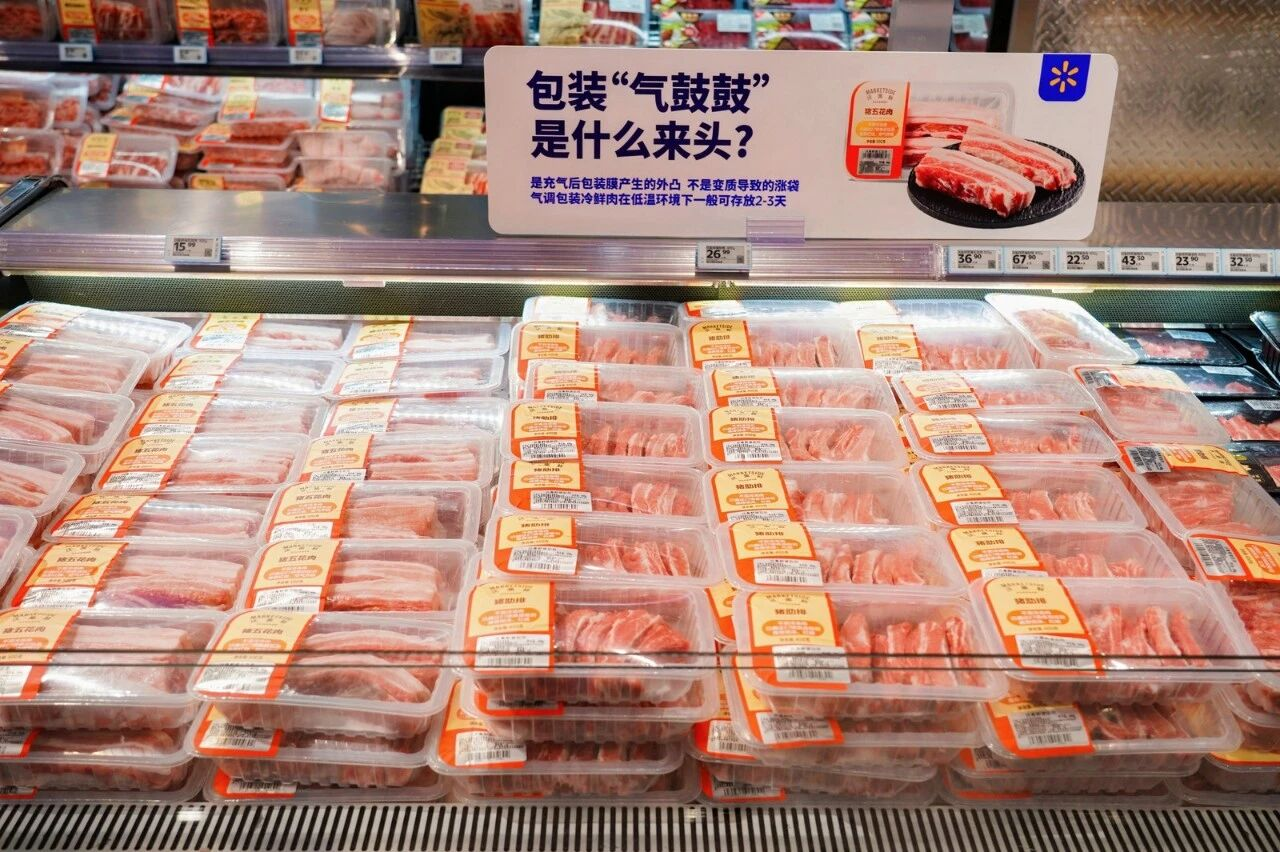
At the same time, Walmart China enforces a zero-tolerance policy for food safety violations, encouraging associates to proactively identify and report risks. The goal is to foster a culture where "everyone cares, and everyone is responsible." Food safety is the non-negotiable foundation of business, and Walmart will continue to refine its management systems and strengthen accountability at every level. The ultimate aim is to ensure that every shopping experience, whether in-store or online, delivers complete confidence in safe, trustworthy food.

 Walmart APP
 Sam's Club APP
 Walmart China
  Walmart China
  Walmart Stores
  Sam's Club